Chapter VII
Breaking the Stone
Paris, London, Boston, Heidelberg, 1824 to 1878
Watch this chapter 33:41 in the filmRuns 4 min 54 s
Summary
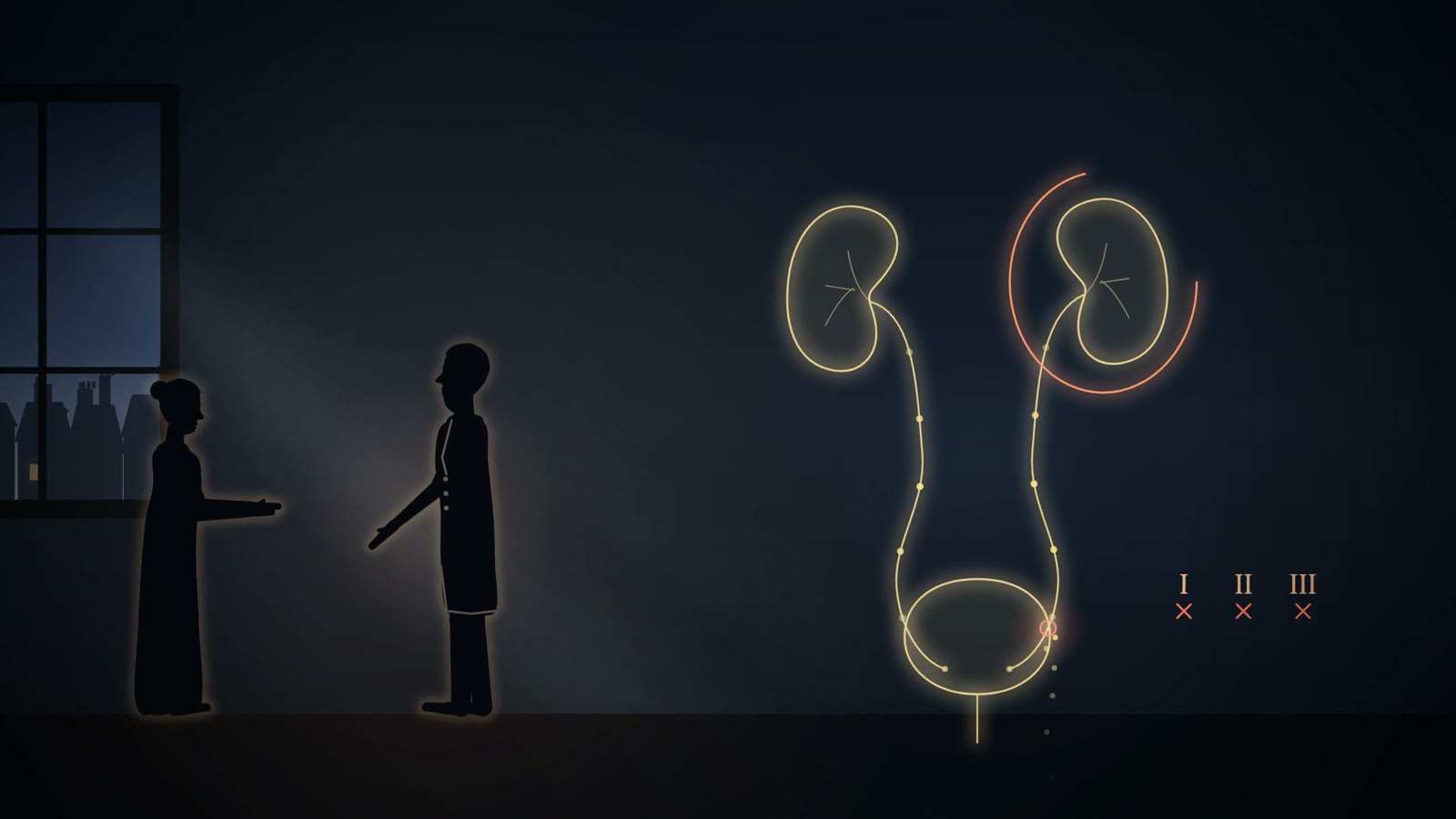
Chapter VII follows the shift from cutting the stone out to breaking it inside the bladder. In January 1824 Jean Civiale passed a straight steel instrument along the urethra of a living patient, held the stone in three claws and drilled it apart; rivals followed, among them Baron Heurteloup, whose instrument was struck with a hammer. Civiale then pooled thousands of reported lithotomies against his own crushings: about one in five died after cutting, about one in forty after crushing. The exact figures vary between sources; the ratios do not. The 1835 commission of the Académie des sciences, which included the mathematician Poisson and the physician Double, valued large numbers but judged these incomparable, and Double objected to counting patients at all. Civiale also left a rule that sittings be short and fragments left to pass, which meant many painful sessions; the exiled Napoleon III died in 1873 before his third. Henry Jacob Bigelow, who had reported surgery under ether in 1846, ended the rule in 1878 with litholapaxy, crushing and washing out the whole stone at one sitting under anaesthesia. The chapter ends in Heidelberg in 1869, where Gustav Simon removed a kidney from each of thirty dogs before removing Margaretha Kleb's to cure a ureteric fistula.
Watch, shot by shot
-

-
-
-
-
-
In their words
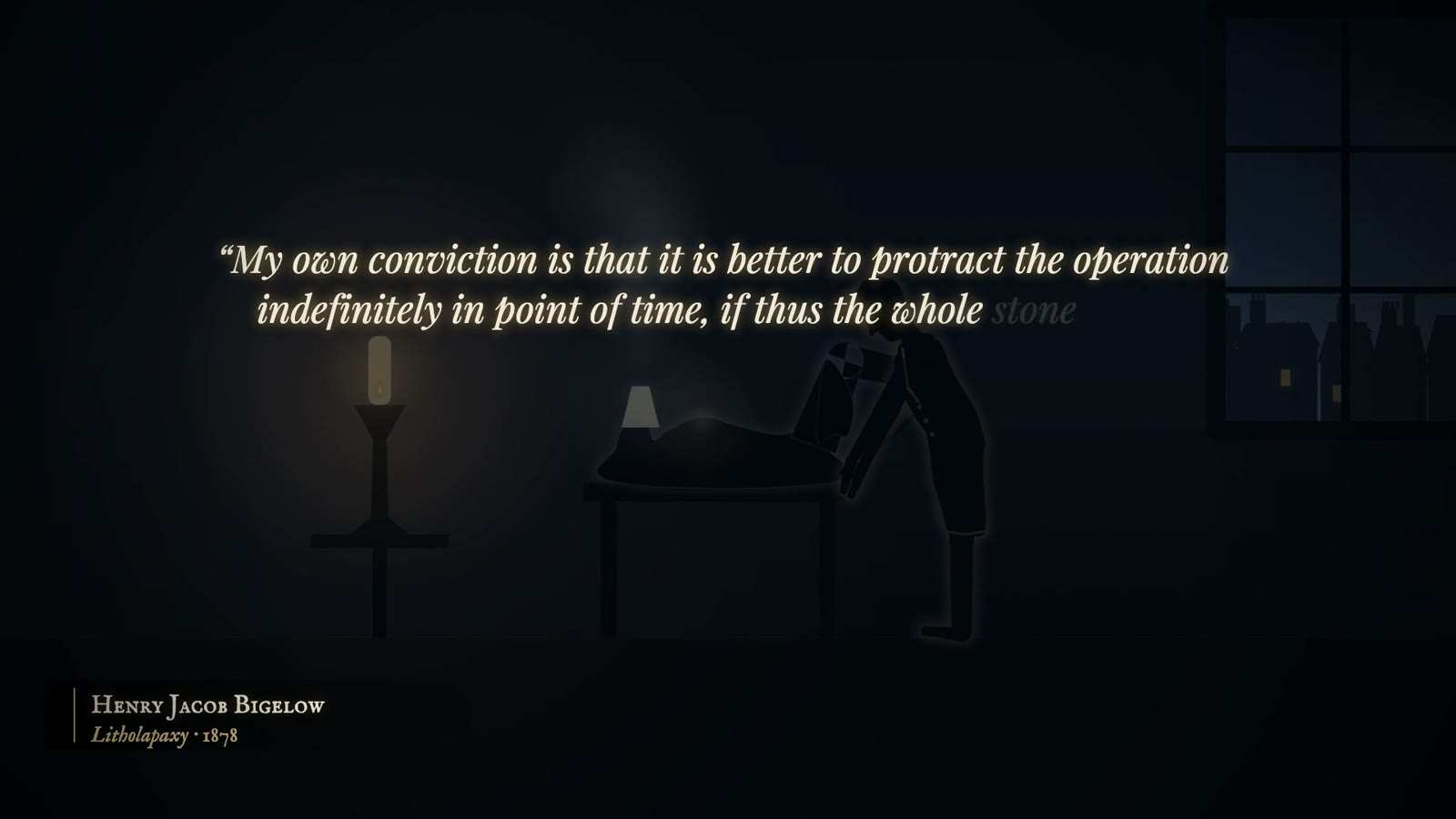
“My own conviction is that it is better to protract the operation indefinitely in point of time, if thus the whole stone can be removed without serious injury to the bladder.”
Verbatim. In the same book Bigelow writes that Civiale was among the first to inculcate the excessive susceptibility of the bladder under instruments.
What the film says, and the evidence
Verified claims are shown plain. probable means one reliable source; disputed means the sources disagree, and both versions are shown. Unverified material is not published here.
-
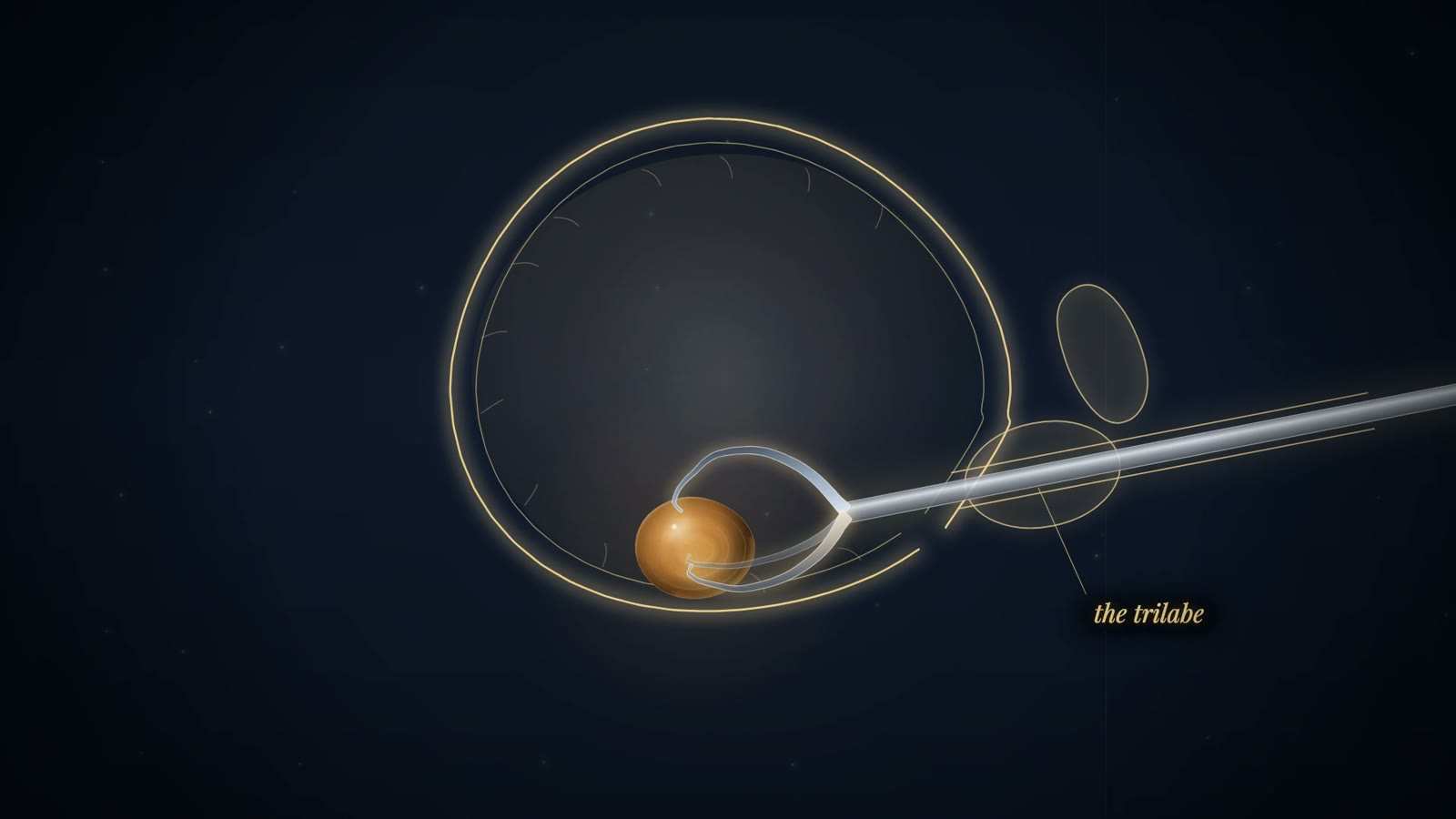
Jean Civiale operated on a living patient through the urethra, with no incision: his instrument gripped the bladder stone and drilled it to pieces.
Sources- Riches 1967, The history of lithotomy and lithotrity (Arnott Demonstration, RCS) Secondary
- BAUS Virtual Museum: Transurethral bladder stone treatment Museum or society
- EAU History Office, Exhibit of the month: the Civiale set Museum or society
Riches: Civiale "performed his first operation on a living patient in January 1824", after experiments begun in 1817. The date of that first operation is a separate, disputed claim. Gruithuisen had shown in 1813 that straight instruments could be passed into the male bladder (BAUS, probable).
-
Civiale's first operation on a living patient took place in January 1824. disputed
- Version 1
January 1824: Riches; BAUS gives 13 January 1824, completed in two sittings.
Sources - Version 2
23 January 1823: the EAU History Office page on the Civiale instrument set.
Sources- EAU History Office, Exhibit of the month: the Civiale set Museum or society
Two of the three sources give January 1824, and the film follows them. The EAU page dates Civiale's report to the Académie des sciences to 22 March 1824 (probable).
- Version 1
-
His instrument, the trilabe, had three branches to grasp the stone and a central drill to bore it. probable
Riches (pp. 195 to 196, read for the site audit) describes the straight tubes, the branches that open inside the bladder and the drill. The EAU exhibit page formerly cited here does not describe the instrument.
-
Rivals followed, among them Baron Heurteloup, whose instrument gripped the stone and was then struck with a hammer. probable
SourcesBAUS dates Heurteloup's percuteur to 1832 and Riches to 1831. Heurteloup was the first to perform lithotrity in England. Leroy d'Étiolles had shown his lithoprione, a drilling instrument, in 1822; Riches describes Leroy as following close behind Civiale and on good terms with him.
-
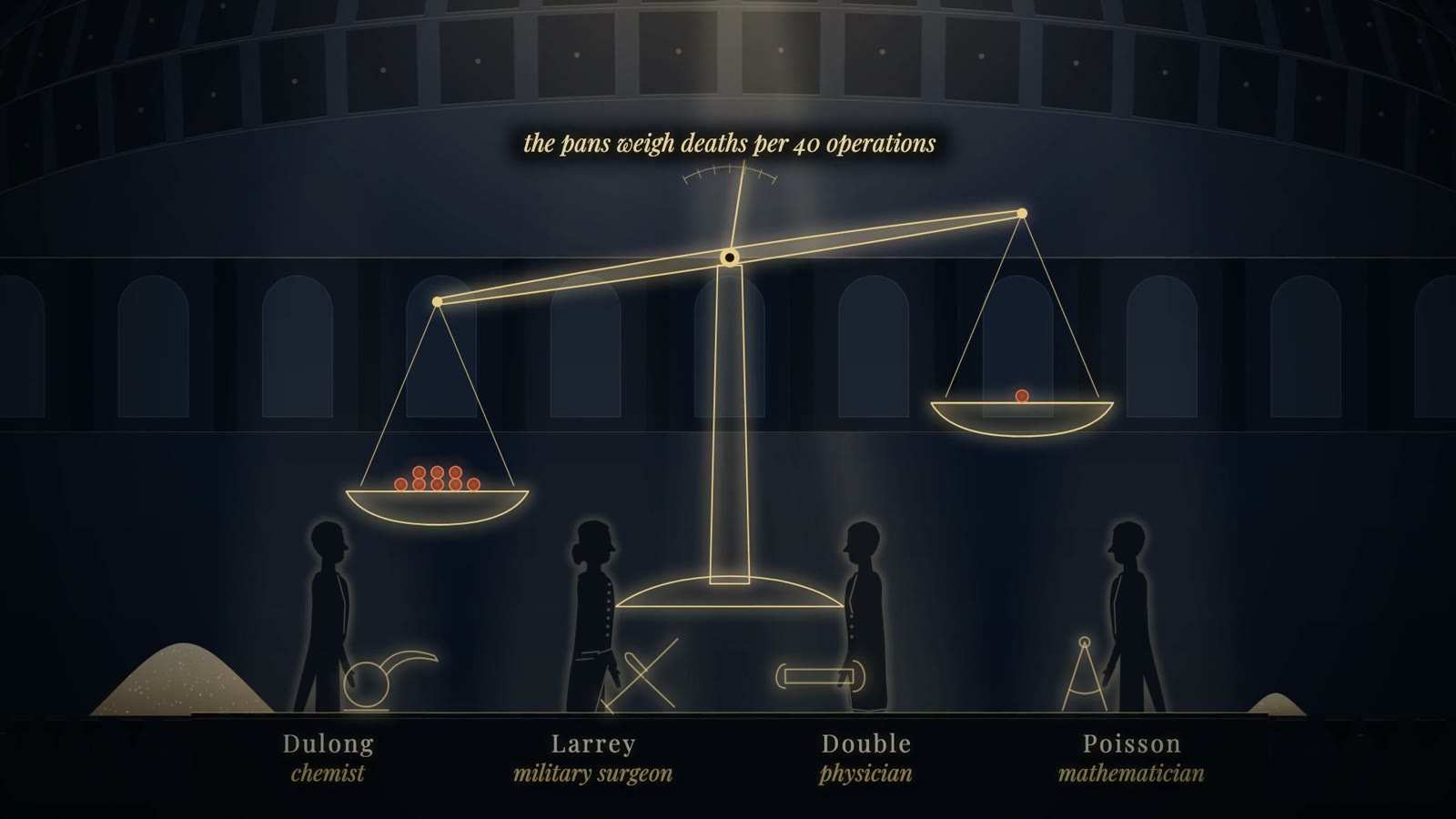
Civiale gathered the results of thousands of lithotomies reported across Europe, set them against his own lithotrity series, and laid the comparison before the Académie des sciences. probable
Sources- James Lind Library: Poisson, Dulong, Larrey et Double 1835 Museum or society
- H. W. Herr, Civiale, stones and statistics: the dawn of evidence-based medicine, BJU Int 2009;104(3):300-302 Secondary
- Poisson, Dulong, Larrey et Double, Recherches de statistique sur l'affection calculeuse, par M. le docteur Civiale. Comptes rendus hebdomadaires des séances de l'Académie des sciences 1835;1:167-177 Primary
The method rests on the Herr 2009 abstract. The James Lind Library records the 1835 report on Civiale's statistical research; the French original was not retrieved for the kit. His own early series: 43 patients from 1823 to 1827, with 42 claimed successes (Herr 2009, probable).
-
In each set of figures for Civiale's comparison, about one patient in five died after lithotomy, against about one in forty to one in fifty after lithotrity. probable
Sources- H. W. Herr, Civiale, stones and statistics: the dawn of evidence-based medicine, BJU Int 2009;104(3):300-302 Secondary
- Mazur 2014, citing Belinaye 1837 (figures for Civiale's comparison) Secondary
- English Wikipedia, figures for Civiale's lithotomy and lithotrity comparison Secondary
Ratios worked from each source's counts: Herr gives 20 and 2.3 per cent; Belinaye (via Mazur) 1,024 of 5,443 and 5 of 245; Wikipedia 7 of 307 for lithotrity. The film's "about one in forty" fits Herr and Wikipedia; Belinaye's lithotrity figure is nearer one in fifty.
-
The exact numbers in Civiale's comparison differ between sources. disputed
- Version 1
5,715 perineal lithotomies with 1,141 deaths (20 per cent), plus some 100 left with lasting infirmity; 257 lithotrity patients with 6 deaths (2.3 per cent). Herr 2009.
Sources- H. W. Herr, Civiale, stones and statistics: the dawn of evidence-based medicine, BJU Int 2009;104(3):300-302 Secondary
- Version 2
Lithotomy 1,024 deaths in 5,443; lithotrity 5 deaths in 245. Belinaye 1837, as cited by Mazur 2014.
Sources- Mazur 2014, citing Belinaye 1837 (figures for Civiale's comparison) Secondary
- Version 3
Lithotomy 1,024 deaths in 5,443; lithotrity 7 deaths in 307. English Wikipedia.
Sources- English Wikipedia, figures for Civiale's lithotomy and lithotrity comparison Secondary
The screenplay notes the detail as disputed and the ratios as safe.
- Version 1
-
In 1835 the Académie's commission comprised a chemist (Dulong), Napoleon's surgeon (Larrey), a physician (Double) and the mathematician Siméon-Denis Poisson.
Sources- Poisson, Dulong, Larrey et Double, Recherches de statistique sur l'affection calculeuse, par M. le docteur Civiale. Comptes rendus hebdomadaires des séances de l'Académie des sciences 1835;1:167-177 Primary
- James Lind Library: Poisson, Dulong, Larrey et Double 1835 Museum or society
- Tröhler 2020, J R Soc Med 113(9):360-366 Secondary
- H. W. Herr, Civiale, stones and statistics: the dawn of evidence-based medicine, BJU Int 2009;104(3):300-302 Secondary
-
The commission accepted the value of large numbers but judged the lithotomy figures, drawn from many surgeons' reports with unknown selection and no detail on how outcomes were judged, too weak to fix the mortality of cutting with any accuracy. probable
Sources- English translation of the 1835 Académie report, Int J Epidemiol 2001;30(6):1246-1249 Primary
- James Lind Library: Poisson, Dulong, Larrey et Double 1835 Museum or society
Known through a modern English translation (2001), so paraphrased. The commission urged Civiale to collect more cases with more circumstantial detail. The film's "could not prove what Civiale claimed" is its own summary.
-
Double objected in principle to the numerical method in medicine: statistics, he argued, require one to ignore that a man is an individual and to treat him as a fraction of the species, and it was inappropriate to seek in medicine the mathematical certainty found only in astronomy. probable
Sources- Tröhler 2020, J R Soc Med 113(9):360-366 Secondary
The film paraphrases Tröhler's translation; the French original (Comptes rendus 1835) was not retrieved for the kit.
-
Poisson rejected Double's objection. probable
Sources- Tröhler 2020, J R Soc Med 113(9):360-366 Secondary
Poisson went on to publish on the law of large numbers in 1837. The argument resumed that year at the Académie de médecine over Pierre Louis's numerical method, where Risueño d'Amador held that large numbers could never judge the usefulness of the art.
-
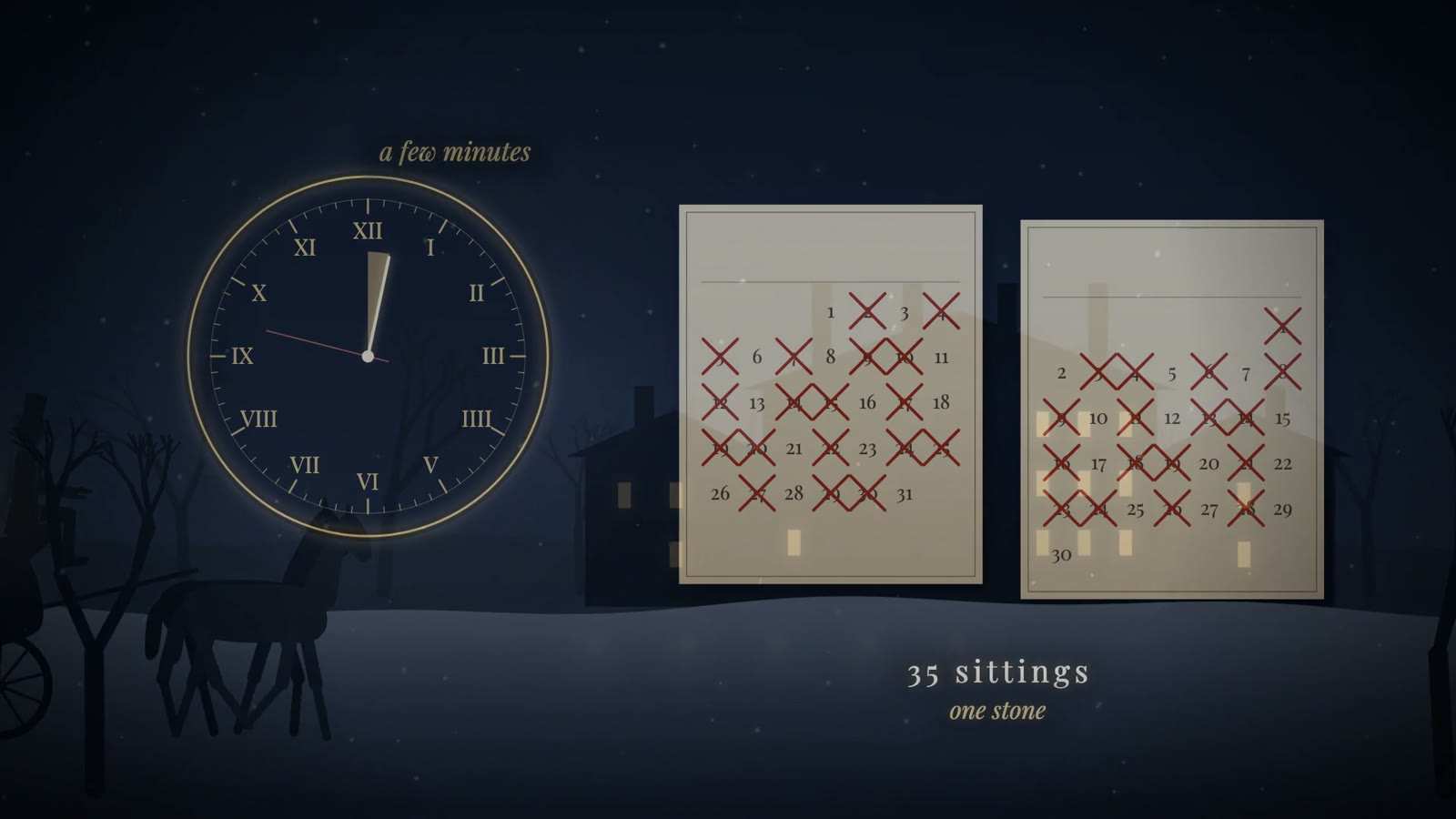
Civiale was among the first to teach that the bladder was excessively susceptible to instruments. He had no means of evacuating fragments, and he limited an operation to two, three or perhaps five minutes.
Bigelow (1878), who also records that Henry Thompson set two minutes as the proper average sitting.
-
A case could need many sittings: William Kent, aged 64, treated by William Jeaffreson from 7 May 1834, required 37. probable
Sources- J. C. Goddard, Urology News history series (the high operation; lithotomy; lithotrity) Secondary
Single source (Goddard, Urology News). The film's "large stone" and "painful" are not stated in the source.
-
In January 1873 Henry Thompson twice performed lithotrity on Napoleon III, in exile at Camden Place, Chislehurst.
Sources- Plarr's Lives of the Fellows (RCS): Sir Henry Thompson Museum or society
- Lanman Museum, account of Sir Henry Thompson Museum or society
Plarr's: under chloroform, on 2 January and again on 7 January (6 January on the EAU page; see debates); he had examined the emperor in July and December 1872. The Lanman Museum account confirms that the emperor died before the third operation.
-
Napoleon III died of uraemia an hour and a quarter before the third sitting was due to begin. probable
Sources- Plarr's Lives of the Fellows (RCS): Sir Henry Thompson Museum or society
- Lanman Museum, account of Sir Henry Thompson Museum or society
Plarr's alone gives the cause, uraemia, and the time, 10.45 am on 9 January 1873; the Lanman Museum account confirms only that he died before the third operation.
-
In November 1846 Henry Jacob Bigelow of Boston published the first account of surgical operations under ether. probable
Sources- H. J. Bigelow, Insensibility during surgical operations produced by inhalation, Boston Med Surg J 18 November 1846;35:309-317 (DOI 10.1056/NEJM184611180351601) Primary
- Wikipedia, Henry Jacob Bigelow Secondary
Insensibility during surgical operations produced by inhalation, Boston Medical and Surgical Journal, 18 November 1846. That it was the first such account rests on Wikipedia; the paper itself was not read for the kit.
-
In 1878 Bigelow wrote that it was better to prolong the operation indefinitely if the whole stone could thus be removed without serious injury to the bladder; his own practice was always to etherise for lithotrity.
Bigelow, Litholapaxy (1878).
-
His method was to crush the whole stone and wash out all the fragments at one sitting, using a rubber bulb in which the fragments collected in a glass chamber.
SourcesHe called the operation litholapaxy. It appeared as a book and in the American Journal of the Medical Sciences and The Lancet in 1878.
-
The longest sitting among his reported cases lasted three hours and three quarters.
In Case VIII, 706 grains of stone came away in one sitting of three and three-quarter hours, and 1,802 grains over three sittings.
-
Bigelow's 1878 book rejected the caution, taught by Civiale, that the bladder could not bear instruments for long, and cleared stones at a single sitting. probable
The film's 'half a century' is the dossier's reckoning from Civiale's teaching in the 1820s to 1878; no source in the kit states the span. Anaesthesia made long sittings painless, and the evacuator removed fragments that had caused irritation and infection.
-
In Heidelberg in 1869 Gustav Simon treated Margaretha Kleb, aged 46, who had a ureterovaginal fistula after an earlier hysterectomy and oophorectomy for an ovarian cyst.
Sources- BAUS Virtual Museum: Nephrectomy Museum or society
- Goddard and Birks, A short history of nephrectomy (Urology News) Secondary
The film's "constant" leak of urine is its description of the fistula.
-
Simon had made three failed attempts to close the fistula and concluded that nephrectomy was his only option. probable
Sources -
Before operating, Simon performed experimental nephrectomy on 30 dogs and saw for himself the enlargement of the remaining kidney. probable
Sources- Goddard and Birks, A short history of nephrectomy (Urology News) Secondary
- Wikipedia, Gustav Simon (surgeon) Secondary
Goddard and Birks alone give the 30 dogs and the enlargement; Wikipedia says he showed that excretion continues in animals with one healthy kidney. He also practised on cadavers. Earlier animal work: van Roonhuysen (1672) and Zambeccari (1678) reported survival after removing one kidney, and Comhaire (1803) removed kidneys from 65 dogs, of which two survived (BAUS, probable).
-
On 2 August 1869 he removed Kleb's kidney in forty minutes, and she was out of bed in four weeks.
Sources- BAUS Virtual Museum: Nephrectomy Museum or society
- Goddard and Birks, A short history of nephrectomy (Urology News) Secondary
- Wikipedia, Gustav Simon (surgeon) Secondary
Chloroform, a lumbar incision and an estimated blood loss of 50 ml. She had a wound infection, pneumonia and erysipelas, left her bed on day 28 and left hospital after two months.
-
Kleb survived the removal of her kidney and left hospital two months after the operation.
Sources- BAUS Virtual Museum: Nephrectomy Museum or society
- Goddard and Birks, A short history of nephrectomy (Urology News) Secondary
The film's "One kidney is enough" is the conclusion drawn from her survival; no source in the kit states it as a finding (see gaps). Earlier human nephrectomies, by Wolcott (1861) and Spiegelberg (1867, by accident in ovarian surgery), were unplanned (probable).
Myths corrected
-
Overstated: most sources say January 1824. Civiale's first lithotrity on a living patient has one agreed date.
-
Overstated: only the ratios are safe. Civiale's comparison is known exactly, for example 1,141 deaths in 5,715 lithotomies against 6 in 257 lithotrities.